

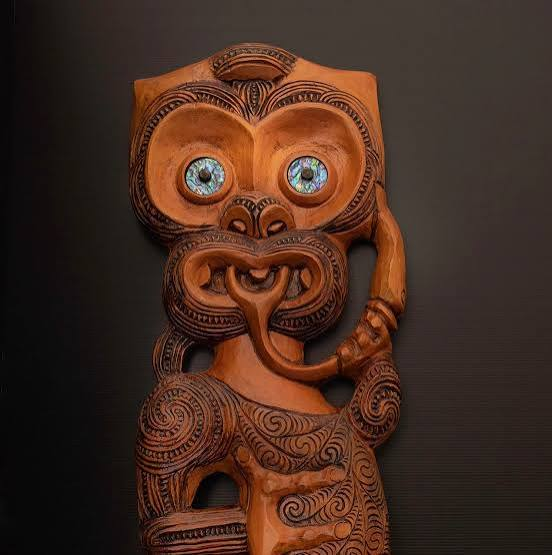
In the mythology of the Māori, few cryptids are as complex or culturally significant as the taniwha. Unlike simple monsters, taniwha occupy a shifting role—at times protectors, at times destroyers—deeply tied to the land, water, and identity of the people who tell their stories.
Taniwha are said to dwell in rivers, lakes, caves, or along coastal waters. Their forms vary widely depending on the region and account. Some are described as massive reptilian creatures, resembling serpents or dragons with ridged backs and glowing eyes. Others take on more abstract or spiritual shapes, existing as unseen forces that influence the environment. This variability reflects their nature: they are not just animals, but manifestations of power tied to specific places.
Traditionally, taniwha serve as guardians of particular tribes (iwi) or territories. In these roles, they protect sacred sites and warn of danger. A taniwha might signal an approaching enemy, a natural disaster, or a violation of cultural boundaries. However, when disrespected or angered, these beings can become deadly—capsizing canoes, dragging people underwater, or bringing misfortune to entire communities.
What makes the taniwha especially compelling is how it blurs the line between myth and lived reality. Even in modern New Zealand, reports and cultural acknowledgments persist. There have been instances where construction projects were altered or delayed out of respect for taniwha believed to inhabit certain areas, reflecting an enduring respect for indigenous belief systems.
Ultimately, the taniwha is not just a cryptid in the Western sense. It is a cultural force—one that embodies both the protective and destructive potential of nature, and the deep spiritual connection between people and the land they inhabit.